Natural vs Lab-Grown Gemstones: What You Should Know
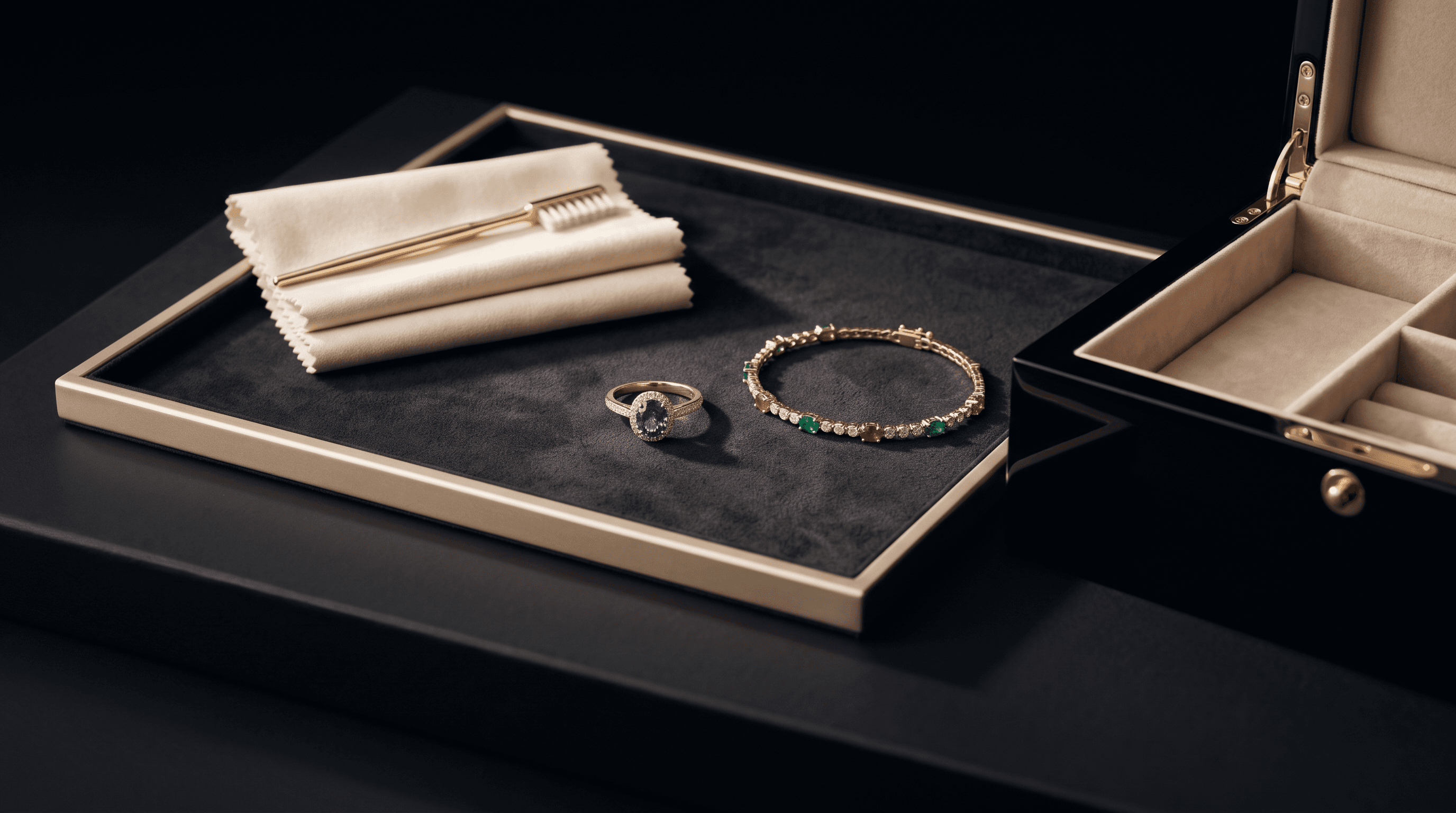
The conversation around natural and lab-grown gemstones has grown significantly in recent years. Both have a place in the market, but they are fundamentally different in origin, value trajectory and meaning. Understanding the facts helps you choose what aligns with your priorities.
Origin: Earth vs Laboratory
Natural gemstones form over millions of years under specific geological conditions. Each stone's journey from deep within the earth to your hand is unique. Lab-grown gemstones are created in controlled environments over weeks or months, replicating the same crystal structure and chemical composition.
Visual and Physical Properties
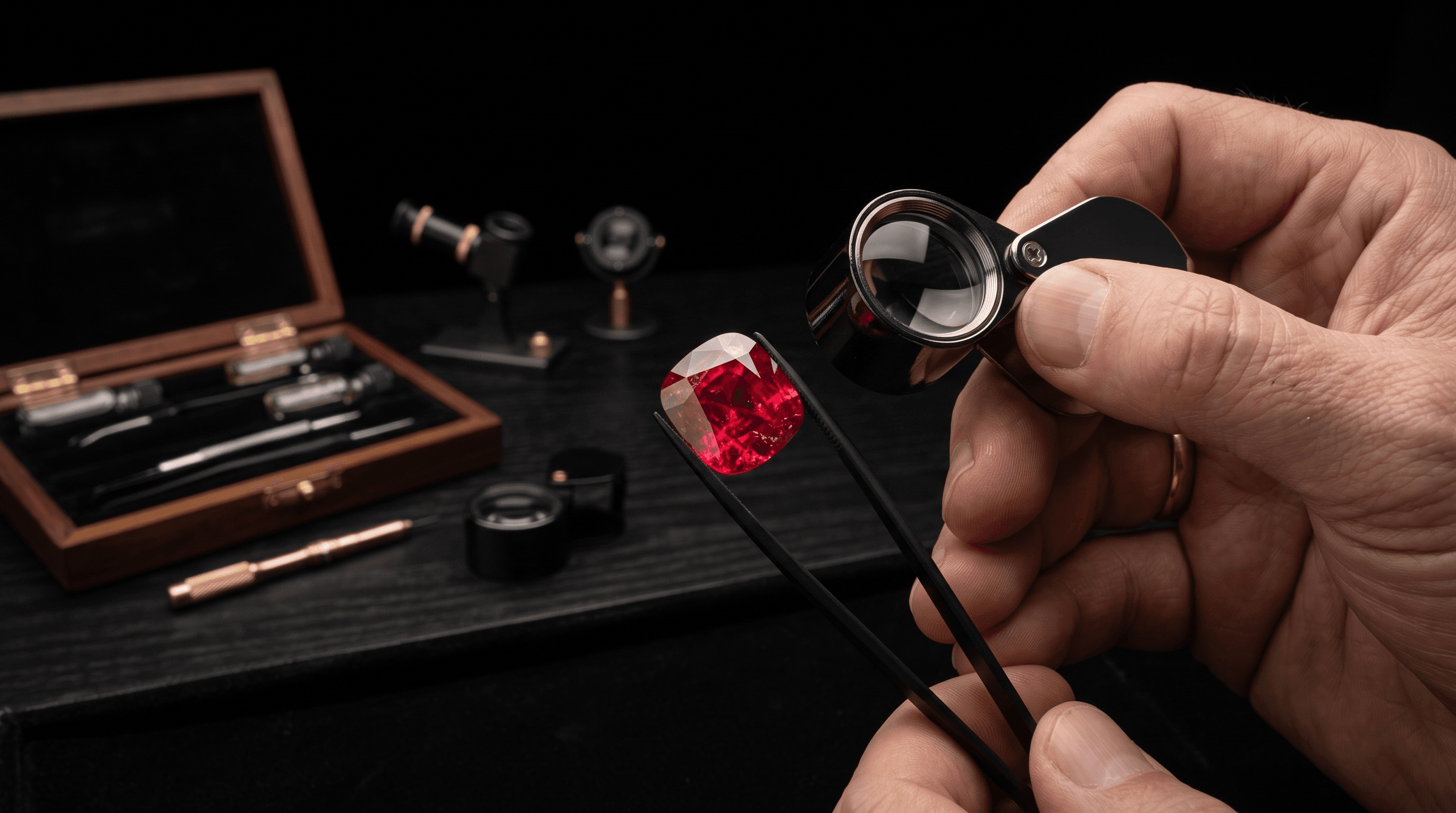
To the naked eye — and often under standard magnification — high-quality lab-grown stones can appear identical to their natural counterparts. They share the same hardness, refractive index and chemical makeup. Specialised gemmological equipment is required to distinguish them reliably.
Value and Rarity
Natural gemstones are finite. Their rarity, especially in fine qualities, underpins long-term value. Lab-grown stones can be produced in larger quantities as technology advances, which generally means their market price trends downward over time. If long-term value retention matters to you, this is a key distinction.
Disclosure and Ethics
Reputable sellers always disclose origin. At MIH GEMS, we work exclusively with natural, hand-selected gemstones. We believe in transparency — every stone we offer is natural unless explicitly stated otherwise, and certification is available on request.
Making Your Choice
If you value the romance of a stone shaped by geological time, the uniqueness of natural inclusions, and the prospect of long-term value, a natural gemstone is the traditional choice. If your priority is visual beauty at a lower initial cost, and long-term value is less of a concern, lab-grown may suit you. Neither is "better" — they serve different purposes.
We invite you to experience natural gemstones in person. Browse our collection or enquire about a specific stone.
You may also like
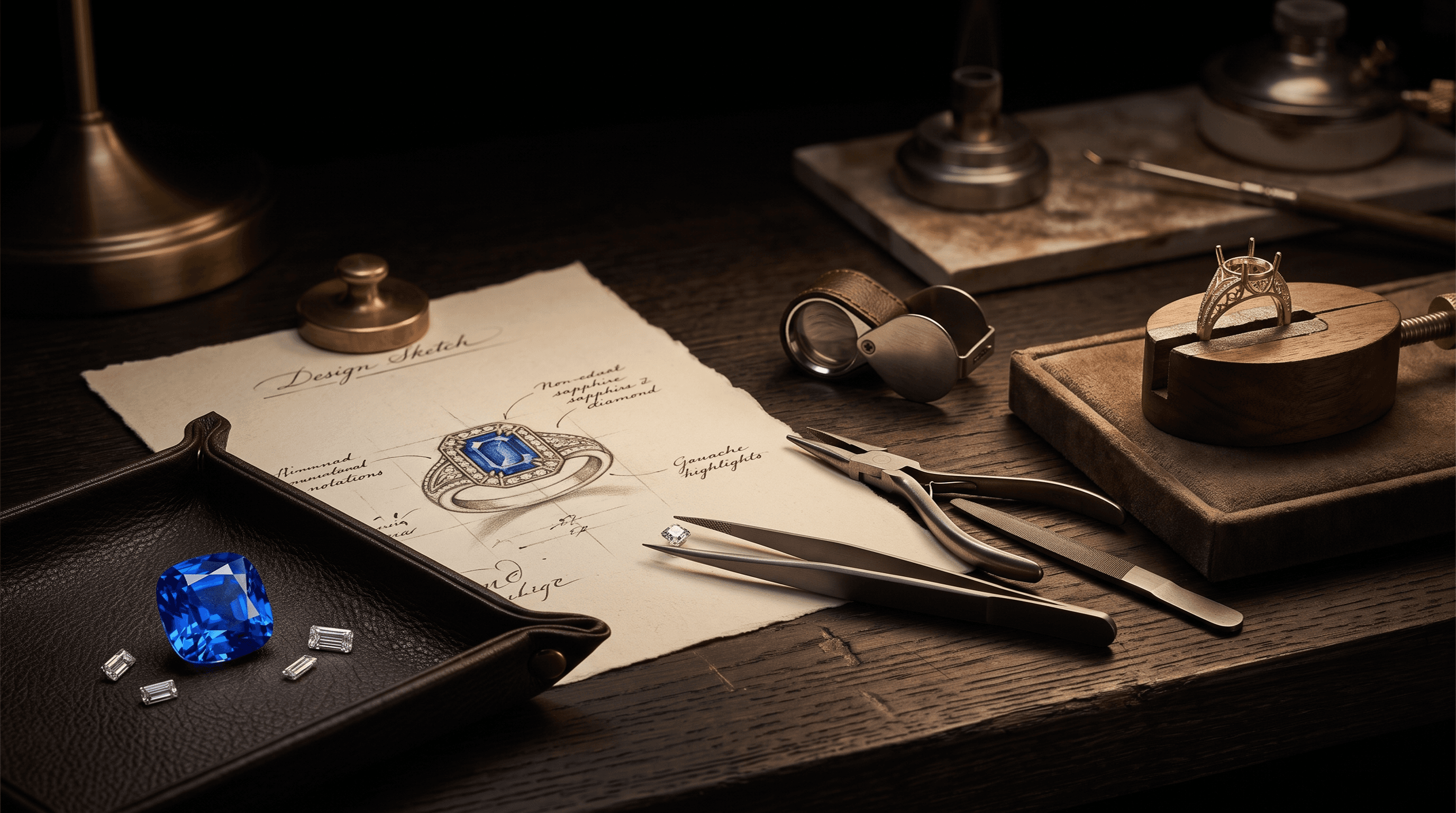
Gemstone Buying Guide: What to Look For Before You Buy
An informed buyer asks the right questions. This checklist covers colour, clarity, cut, carat, treatments, certification and seller transparency — so you can purchase with confidence.
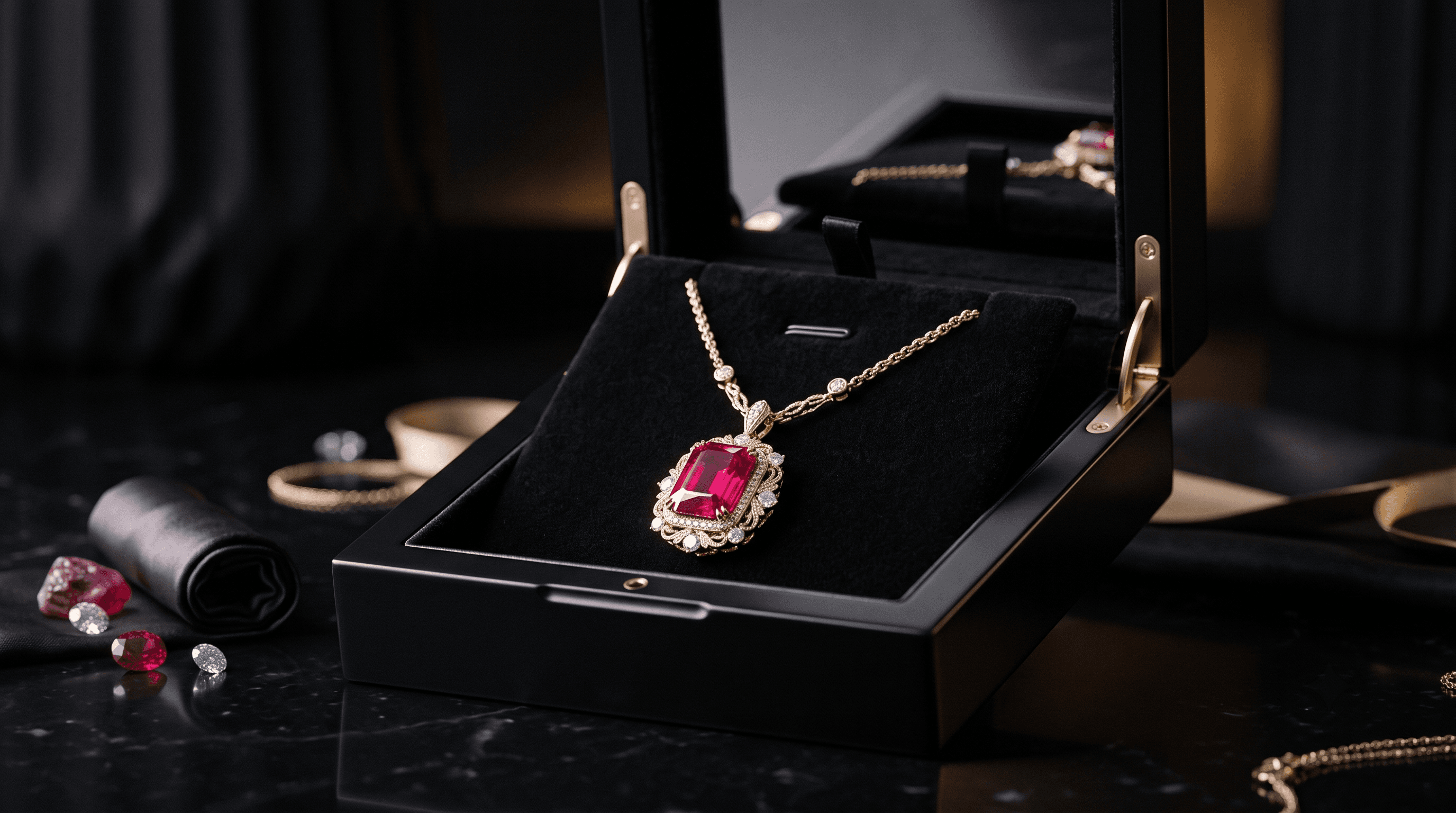
How to Choose Jewellery for a Meaningful Gift
A piece of jewellery given with thought becomes a keepsake. Consider the recipient's style, the occasion, gemstone symbolism and the story you want the piece to tell.
A Beginner's Guide to Understanding Gemstone Cuts
The cut determines how a gemstone interacts with light. This guide explains the major cut styles — faceted, cabochon, mixed — and how each affects brilliance, colour and character.